
Why Standards Matter for Water Information
Water quality information affects real decisions: whether to give tap water to an infant, whether to test a well, whether to spend money on treatment. Getting it wrong in either direction does harm. False alarm costs families money and peace of mind. False reassurance can cost them their health.
These are the standards every CIWQE article is held to.
1. We Start from Primary Sources
We rank our sources roughly in this order:
- Health Canada — the Guidelines for Canadian Drinking Water Quality and their technical documents.
- Provincial and territorial regulations and public health agencies.
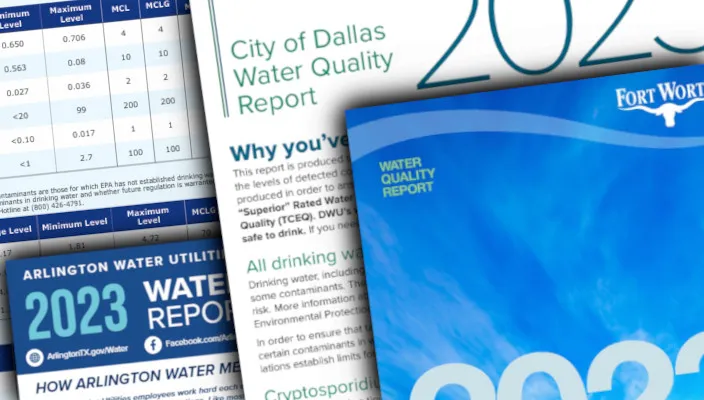
- Published utility data — annual drinking water reports and analysis summaries.
- Peer-reviewed research and international bodies such as the World Health Organization.
- Recognized standards organizations such as NSF/ANSI and the Standards Council of Canada.
Manufacturer marketing is never treated as evidence.
2. Every Number Has Context
When we cite a level or a limit, we include:
- the unit (mg/L, µg/L or ng/L, which differ by a factor of 1,000 each),
- the type of guideline — a health-based MAC, an aesthetic objective or another value, and
- the form where it matters, for example nitrate measured "as nitrogen" versus as nitrate.
3. Plain Language, Without Dumbing Down
We write for a reader standing at their kitchen sink, not for a laboratory. We define technical terms the first time we use them, and we say plainly when the science is uncertain or still developing, as with microplastics.
4. Education, Not Medical Advice
Our articles explain risks in general terms. They are not a substitute for advice from your doctor, your local public health unit or a certified water professional. When a situation calls for professional help, such as a positive bacteria test, we say so directly.
5. Technologies, Not Brands
Our articles explain how treatment technologies work and what they can and cannot remove. They do not rank or recommend brands. Product performance is assessed separately, through our documented certification process.
6. Dated and Kept Current
Every article shows its publication date. Guidelines change: Health Canada lowered the lead limit to 5 µg/L in 2019 and set a PFAS objective in 2024. When a guideline or a key fact changes, we update the article and its date.
7. Corrections
If you believe something we've published is wrong or out of date:
- Use our contact page or email [email protected].
- Tell us the article, the statement and, if possible, your source.
We review every correction request against primary sources. When we make a correction of substance, we update the article and its date.
Related Reading
Educational Content Notice
This article is provided for general educational purposes only. The Canadian Institute for Water Quality Education does not endorse specific commercial products or services. Always consult a certified water professional for advice specific to your situation.