A Test Is Only as Good as the Lab
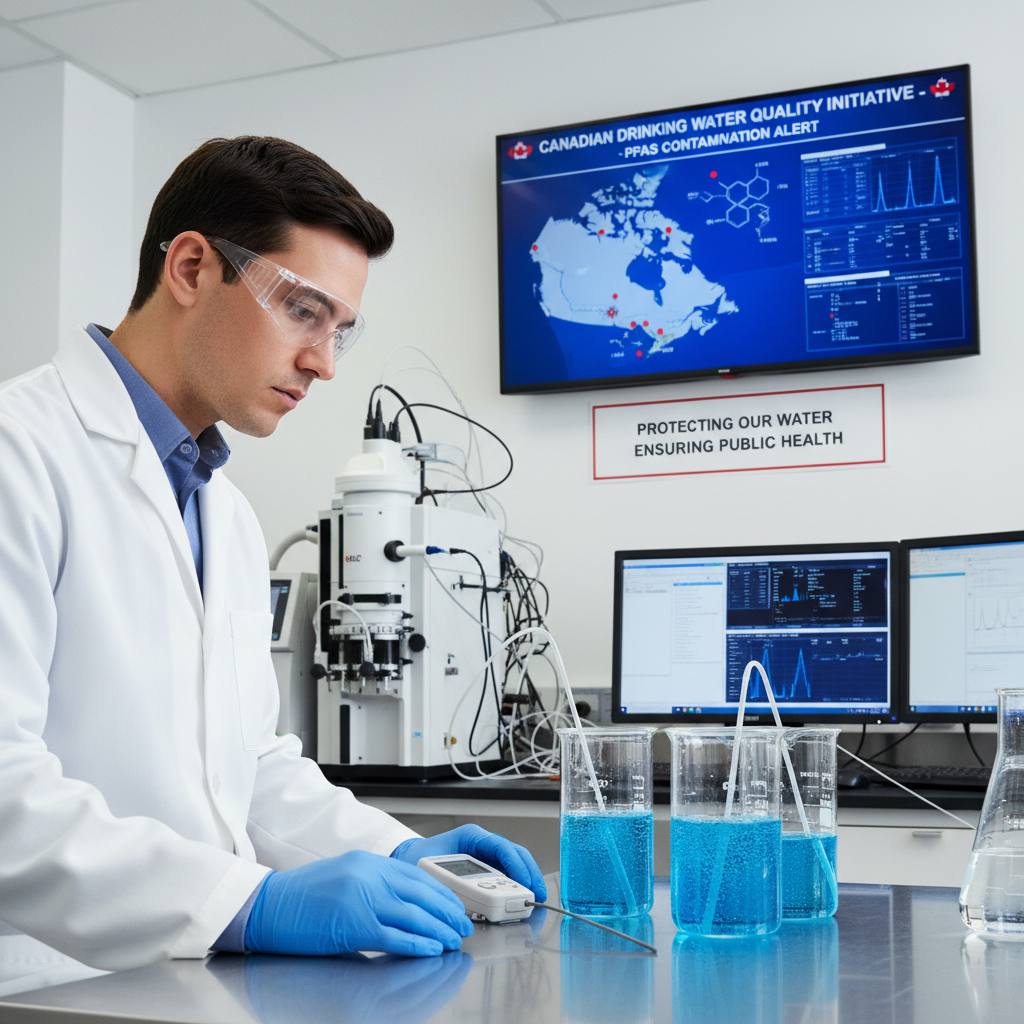
Two labs can test the same water and report different numbers. Results depend on the method, the equipment, the quality controls and the people running them. That's why the single most important thing to check before you send a sample is accreditation.
What Accreditation Means
An accredited lab has been independently assessed and found competent to perform specific tests. In Canada, you'll most often see:
- CALA — the Canadian Association for Laboratory Accreditation, the main accreditor of environmental testing labs in Canada.
- SCC — the Standards Council of Canada, Canada's national accreditation body.
- ISO/IEC 17025 — the international standard for testing and calibration labs. CALA and SCC accreditations are assessed against it.
- Provincial accreditation — Quebec, for example, accredits environmental labs through its environment ministry (MELCCFP).
Accreditation is granted for a defined scope of tests, not for everything a lab does. A lab accredited for metals in water isn't automatically accredited for, say, PFAS.
Some provinces add their own rules. In Ontario, drinking water tests required by regulation must be done by labs licensed by the province.
Our Listing Criteria
To appear in the CIWQE Lab Directory, a lab must:
- Hold current accreditation from CALA, SCC or a provincial accreditation program for drinking water testing.
- Offer drinking water testing to the public, not only to industrial or municipal clients.
- Publish clear contact information and a physical location in Canada.
For each lab, the directory shows its accreditation, the services it offers (such as well water, microbiology, metals or wastewater), typical turnaround time, and whether it accepts mail-in samples. You can filter by province and by mail-in availability.
A listing is not an endorsement of a lab's prices or service. If you spot outdated information, please let us know.
Getting a Reliable Result from Your Sample
Even the best lab can't fix a poorly collected sample. A few rules apply almost everywhere:
- Use the lab's bottles. Bottles are prepared for specific tests, and some contain preservatives.
- Follow the holding time. Bacteria samples usually need to reach the lab within about 24 hours. Plan around courier days and avoid collecting on a Friday unless the lab says otherwise.
- Keep it cold. Most samples should be kept refrigerated or on ice packs, not frozen.
- Sample the right tap the right way. For lead, a "first draw" after water has sat in the pipes shows the worst case. For bacteria, remove aerators, disinfect the tap and run the water first, as the lab instructs.
- Ask what's included. "Basic" packages vary. If you're concerned about arsenic, uranium, radon or PFAS, confirm they're on the panel.
Free Testing for Well Owners
Many provinces offer free or low-cost bacteriological testing for private well owners through public health. In Ontario, for example, Public Health Ontario labs test private well water for bacteria at no charge. Chemical tests usually require a private accredited lab.
Where to Go Next
- Search the Lab Directory by province.
- Read our complete guide to private well testing.
- Not sure what to test for? Start with your area's water quality report.
Educational Content Notice
This article is provided for general educational purposes only. The Canadian Institute for Water Quality Education does not endorse specific commercial products or services. Always consult a certified water professional for advice specific to your situation.