Why CIWQE Exists
Canada has some of the most carefully regulated drinking water in the world. Yet for most households, the facts about their own water are hard to find and harder to read. Utility reports are long PDFs full of units and abbreviations. Health Canada's guidelines are written for engineers and toxicologists. And the loudest voices on water quality are often the ones selling something.
The Canadian Institute for Water Quality Education (CIWQE) was set up to close that gap. Our mission:
To ensure water treatment systems in Canada are safe, certified, and trustworthy — while educating the public on how to protect their water and make informed choices.
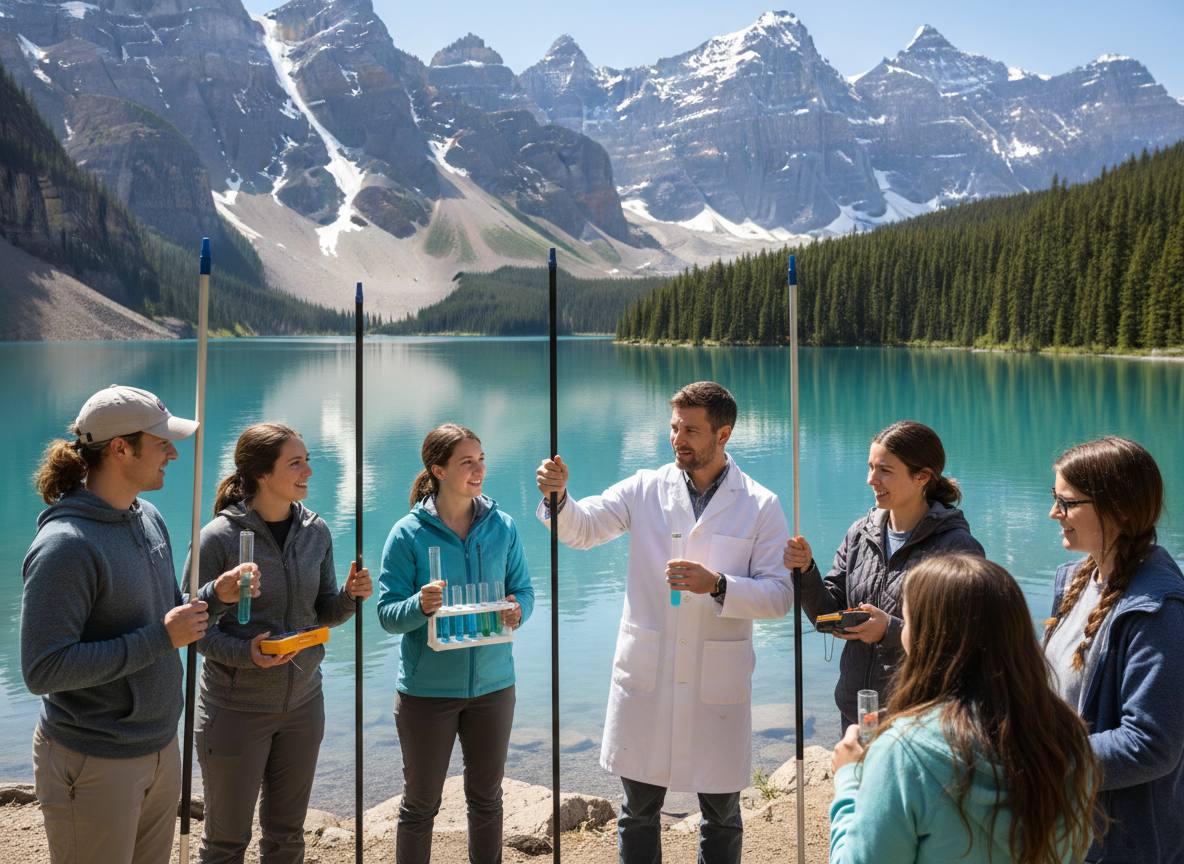
We believe every Canadian deserves both clean water and the knowledge to protect it. Our job is to turn complex water science into clear guidance that families, community leaders and water professionals can act on.
What We Do: Four Programs
1. Plain-Language Education
Our Blog & Education Hub and guides cover the questions Canadians actually ask: Is my tap water safe? Should I worry about PFAS? What's the difference between municipal and well water? Every article explains the science, cites the Canadian guideline that applies, and tells you what you can do next.
2. Postal-Code Water Quality Reports
Our water quality lookup turns your postal code into a readable summary of your utility's most recent published results, side by side with Health Canada's limits. We only show numbers that a utility has actually published. Read where our numbers come from.
3. The Accredited Lab Directory
A utility report describes the treatment plant, not your tap and not a private well. When you need your own results, our Lab Directory lists accredited laboratories across Canada, with the services, turnaround times and mail-in options for each. Read how we choose the labs we list.
4. CIWQE Certification
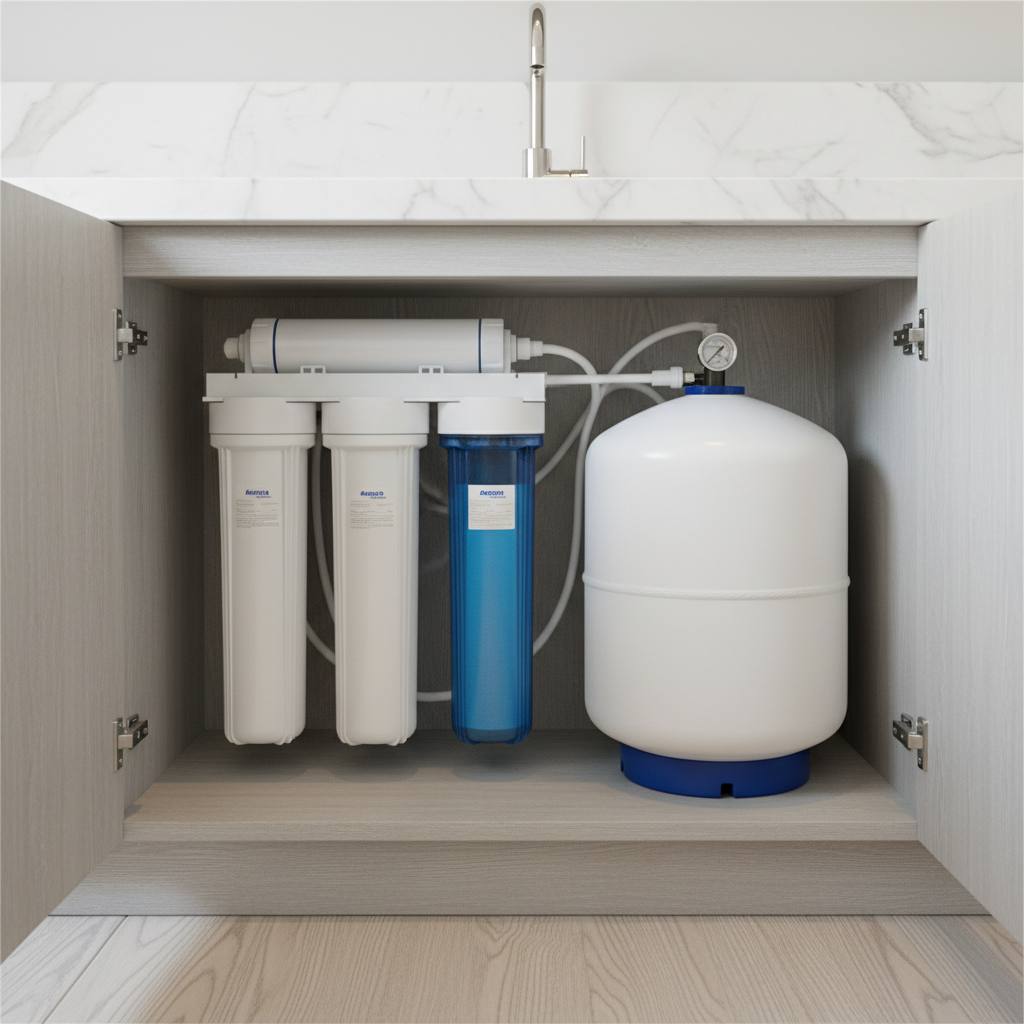
Canada's home water treatment market is largely self-regulated, and marketing claims often outrun the evidence. Our certification program evaluates water treatment systems against documented performance benchmarks aligned with Health Canada guidelines and recognized NSF/ANSI standards. Read how the certification process works.
The Principles Behind Our Work
- Evidence before opinion. We build on Health Canada's Guidelines for Canadian Drinking Water Quality, provincial regulations, published utility data and peer-reviewed research.
- Show our sources. When we quote a number, we tell you where it came from and which guideline it is compared against.
- Say when we don't know. If no published data exists for your area, our report says so instead of guessing.
- Plain language. If a parent can't use it at the kitchen sink, we haven't finished writing it.
- Correct mistakes in the open. Our editorial standards explain how to flag an error and how we fix it.
Registration, Leadership and Funding
CIWQE is an Ontario not-for-profit corporation (Ontario Corporation Number 1001193839), incorporated on April 1, 2025. Anyone can confirm this in the public Ontario Business Registry. The organization is led by Victoria Rosa together with a board of directors, and is funded through grants, donations and partnerships. CIWQE is not a CRA-registered charity, so donations are not tax-receiptable.
Full details, including how to verify our registration and how to fund or partner with us, are on our Governance, Registration & Funding page.
Who We Serve
Our resources are written for every province and territory: homeowners and renters on city water, rural families on private wells, expectant parents, community leaders and water professionals. Our office is in Ottawa, Ontario.
Get in Touch
Have a question about your water, a correction, or an idea for an article? Use our contact page or email [email protected]. You can also subscribe to our newsletter at the bottom of any page for new guides and water quality updates.
Educational Content Notice
This article is provided for general educational purposes only. The Canadian Institute for Water Quality Education does not endorse specific commercial products or services. Always consult a certified water professional for advice specific to your situation.