
Why Water Quality Matters More During Pregnancy
Pregnant women drink more water, and the developing fetus is particularly vulnerable to toxic exposures. Many contaminants that pose minimal risk to healthy adults can have significant effects on fetal development — especially during the first trimester, when organ formation occurs.
Contaminants of Greatest Concern
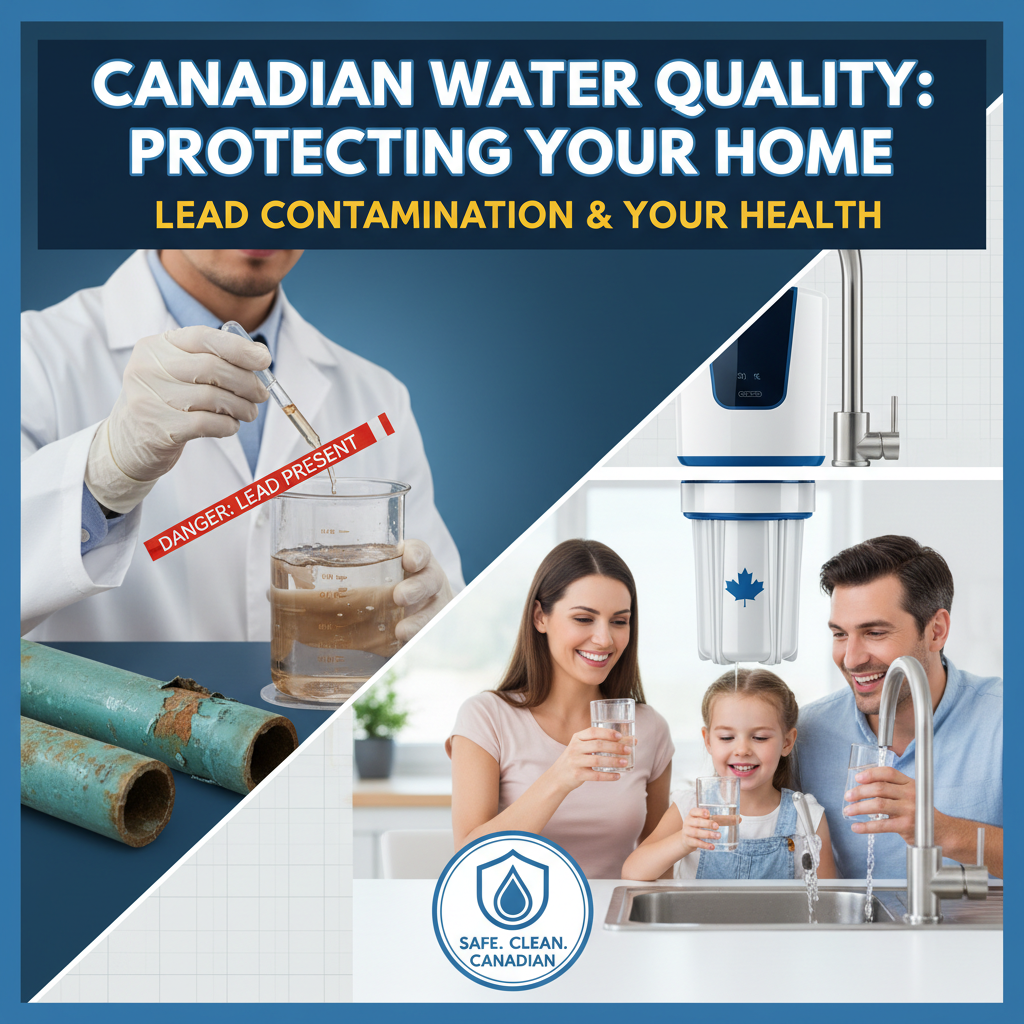
Lead
There is no safe level of lead during pregnancy. Lead crosses the placenta and accumulates in fetal bone. It is associated with:
- Premature birth and low birth weight
- Impaired fetal brain development
- Miscarriage at high exposures
Nitrates
Elevated nitrates reduce blood oxygen capacity. Concern exists for both the mother and fetus at concentrations above Health Canada's MAC of 45 mg/L.
Disinfection Byproducts (DBPs)
Some studies suggest associations between high DBP exposure and adverse birth outcomes (low birth weight, preterm birth). The evidence is not conclusive but warrants precaution.
PFAS
PFAS cross the placenta and are found in cord blood. They are associated with:
- Reduced birth weight
- Altered immune function in newborns
- Thyroid disruption
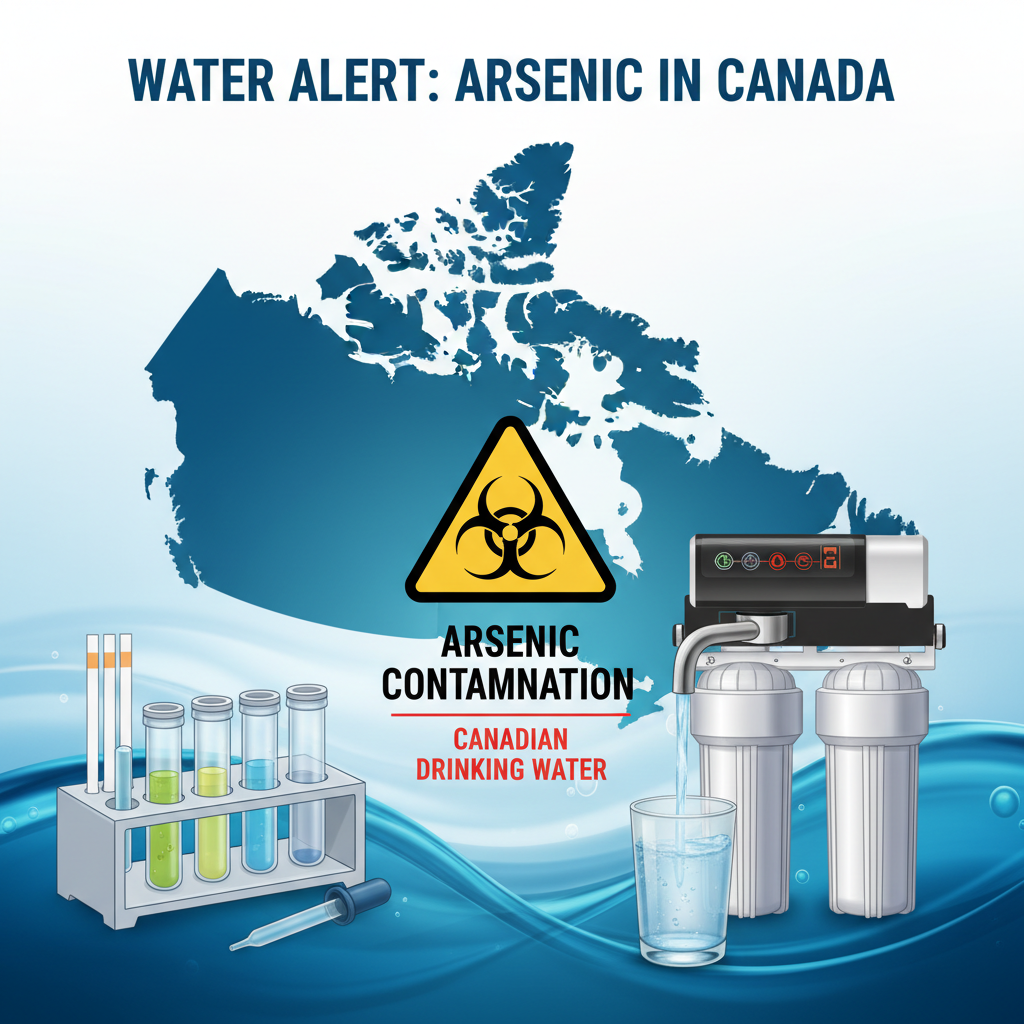
Arsenic and Mercury
Both are developmental neurotoxins that can impair brain development.
Practical Recommendations
- Test your water — especially if you're on a private well
- Use a certified filter (NSF/ANSI 53 for lead; NSF/ANSI 58 for PFAS via RO)
- Avoid plastic water bottles that may leach BPA or phthalates
- Run the tap before drinking if lead pipes are a concern
- Stay hydrated — aim for 2.3 L/day of safe water during pregnancy
- Consult your healthcare provider if you have concerns about specific contaminants
Educational Content Notice
This article is provided for general educational purposes only. The Canadian Institute for Water Quality Education does not endorse specific commercial products or services. Always consult a certified water professional for advice specific to your situation.