The Imperative of Sustainable Water Management
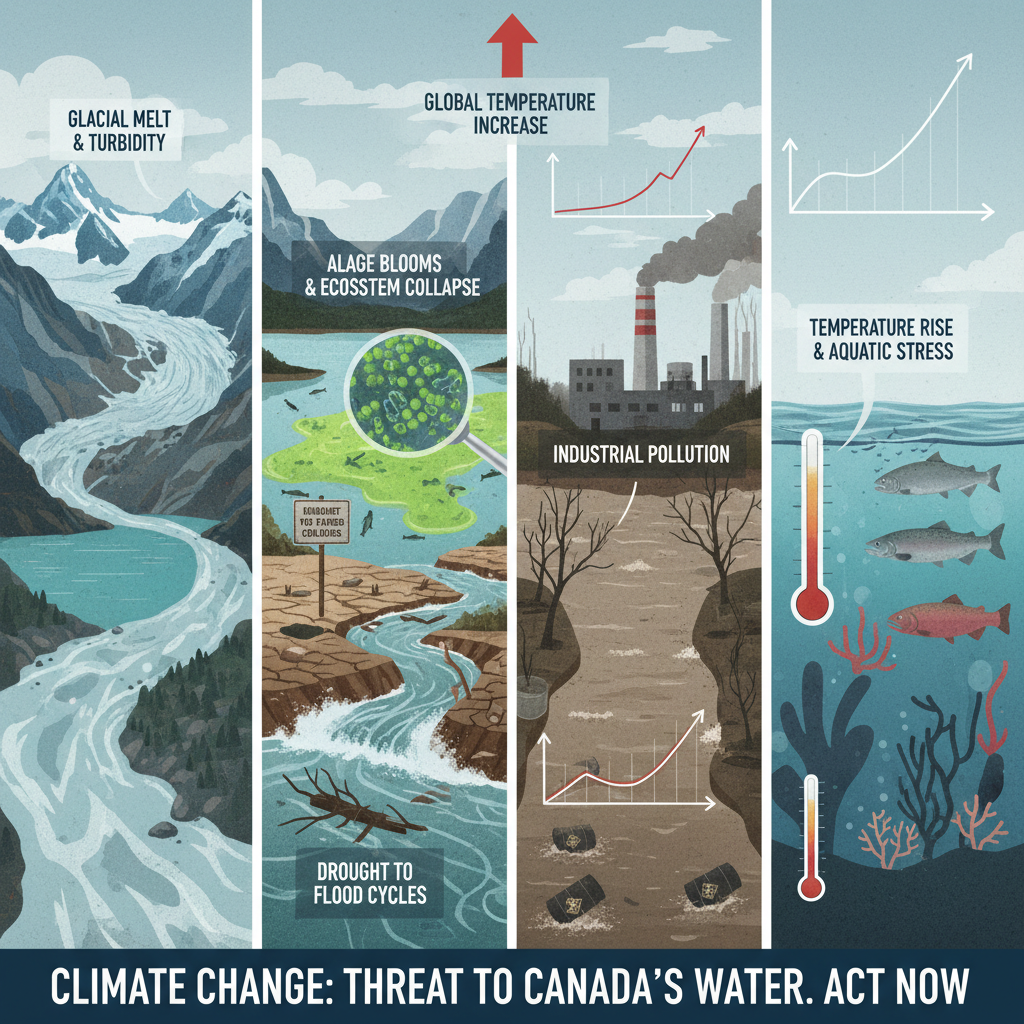
Water is a finite resource, and its sustainable management is paramount for ecological balance, public health, and economic stability. As climate change impacts hydrological cycles and population growth increases demand, adopting sustainable practices becomes increasingly urgent.
Key Principles of Sustainable Water Management
- Water Conservation: Reducing overall water usage through efficiency measures in agriculture, industry, and households.
- Water Quality Protection: Preventing pollution from industrial discharge, agricultural runoff, and urban wastewater.
- Ecosystem Health: Protecting and restoring natural water bodies, wetlands, and riparian zones to support biodiversity and natural filtration.
- Integrated Water Resources Management (IWRM): A holistic approach that considers all water sources and uses, fostering collaboration across sectors.
Innovative Solutions
- Rainwater Harvesting: Collecting and storing rainwater for irrigation or non-potable uses.
- Greywater Recycling: Treating and reusing wastewater from sinks, showers, and laundry for toilet flushing or gardening.
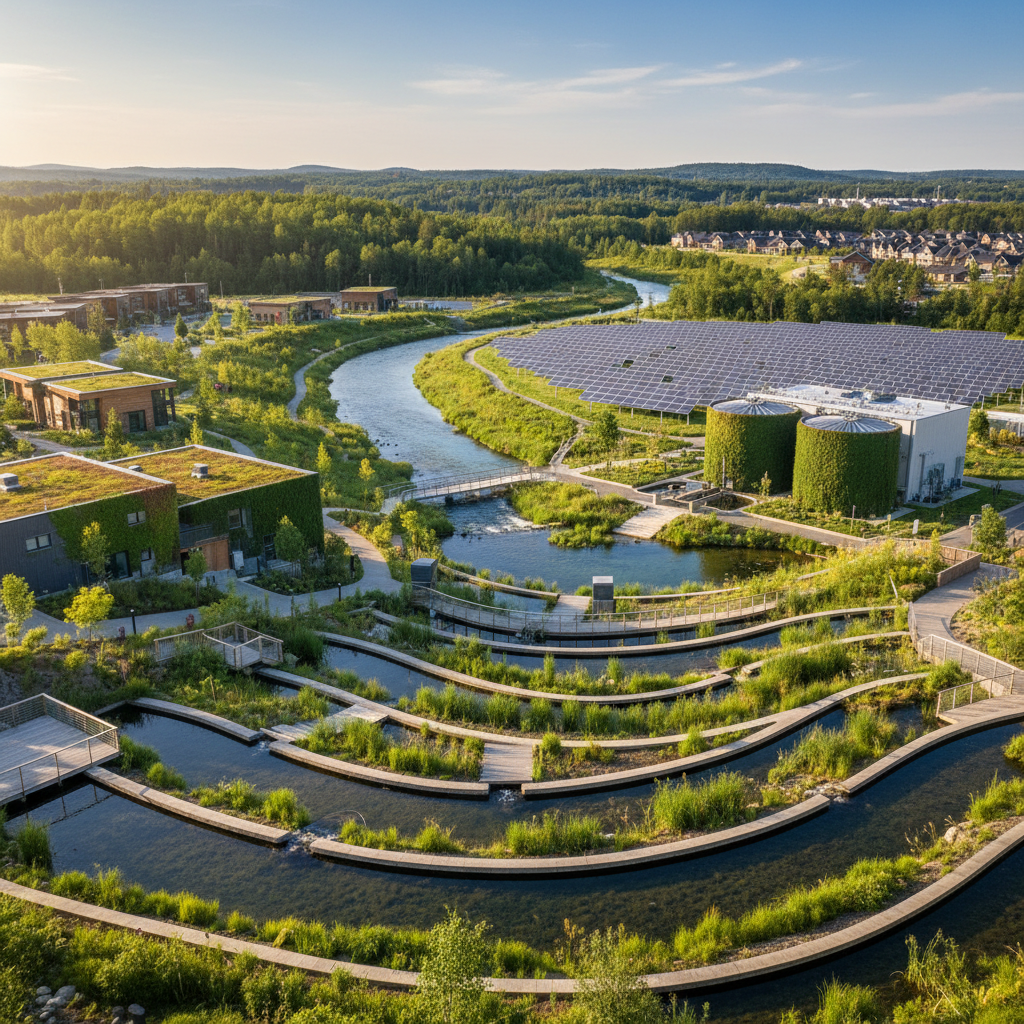
- Green Infrastructure: Utilizing natural landscapes like permeable pavements and green roofs to manage stormwater and recharge groundwater.
- Advanced Wastewater Treatment: Employing technologies to remove micro-pollutants and prepare water for reuse.
What You Can Do
Every individual can contribute to sustainable water management. Simple actions like fixing leaks, using water-efficient appliances, reducing chemical use in gardens, and supporting policies that promote water protection can make a significant difference.
Educational Content Notice
This article is provided for general educational purposes only. The Canadian Institute for Water Quality Education does not endorse specific commercial products or services. Always consult a certified water professional for advice specific to your situation.