Water Quality in a Changing Climate
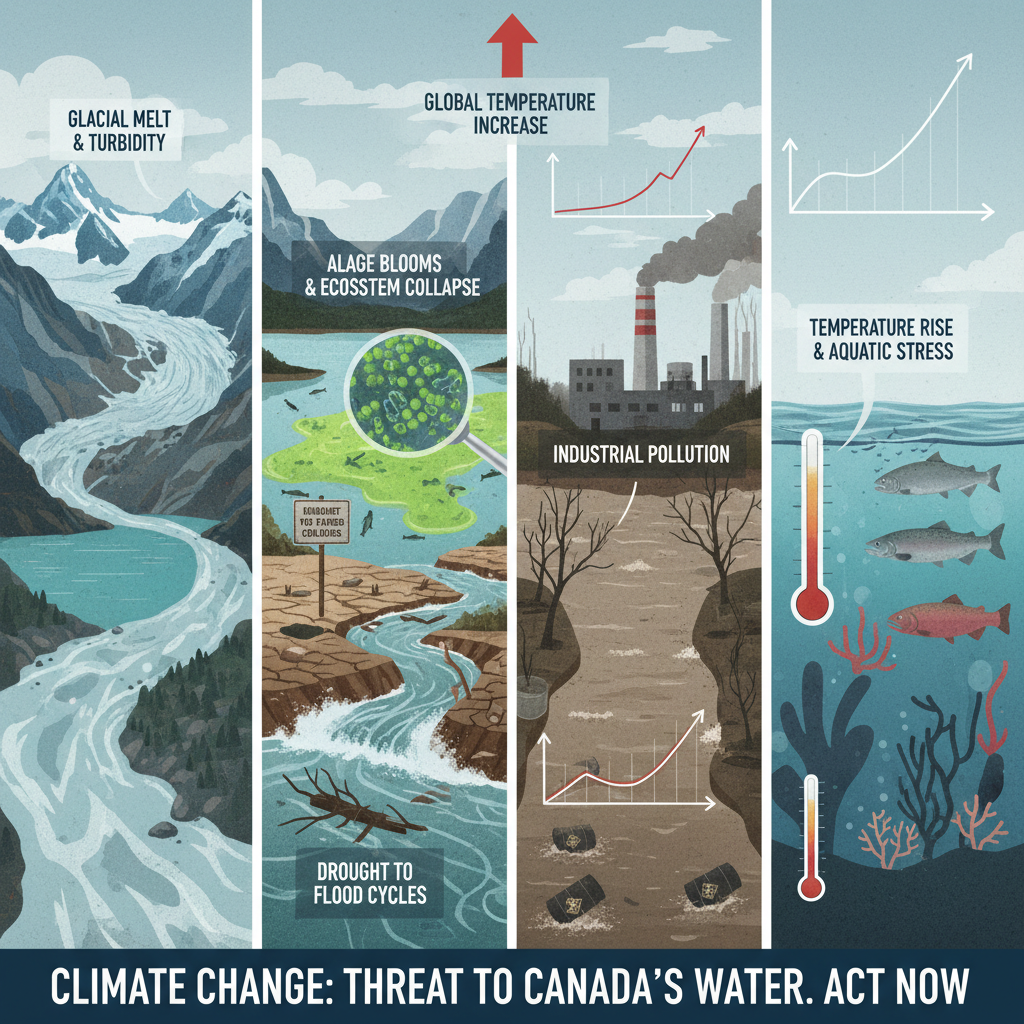
Canada is warming at twice the global average rate — and the consequences for freshwater systems are profound. Climate change doesn't just affect how much water is available; it fundamentally alters water quality in ways that challenge existing treatment infrastructure and regulatory frameworks.
Key Climate Threats to Water Quality
1. Increased Runoff and Turbidity Events
More intense rainfall events mobilize greater quantities of sediment, agricultural chemicals, and pathogens from the landscape into source water. Treatment plants designed for historical turbidity levels can be overwhelmed.
2. Cyanobacterial (Blue-Green Algae) Blooms
Warmer water temperatures and longer growing seasons fuel toxic algae blooms. Cyanobacteria produce cyanotoxins (e.g., microcystin) that can pass through conventional treatment and cause liver damage.
3. Saltwater Intrusion
Rising sea levels and over-pumping of coastal aquifers allows saltwater to intrude into freshwater supplies — a growing threat in Prince Edward Island, Nova Scotia, and coastal British Columbia.
4. Wildfire Impacts
The 2023 wildfire season, the worst in Canadian history, demonstrated how fires contaminate watersheds. Ash, sediment, and fire-retardant chemicals can overwhelm treatment systems and spike DBP formation.
5. Permafrost Thaw
In northern Canada, thawing permafrost releases sequestered carbon, mercury, and other contaminants into lakes and rivers. Arctic communities face rapidly changing source water quality.
6. Reduced Summer Flows
Drier summers concentrate contaminants in shrunken rivers and lakes. Lower dilution capacity increases the relative concentration of agricultural chemicals, municipal effluent, and natural contaminants.
Adapting Canada's Water Infrastructure
- Upgrading treatment plants for climate resilience
- Investing in real-time monitoring systems
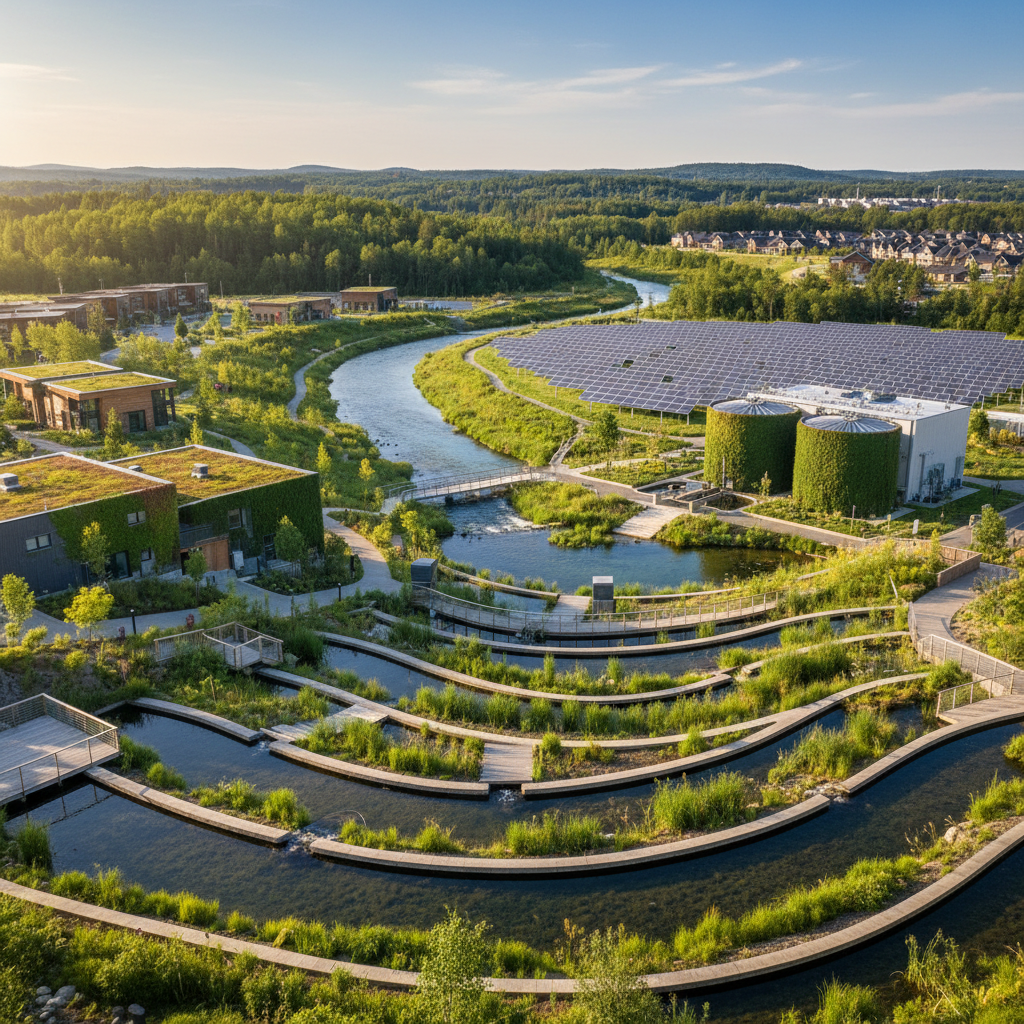
- Protecting source water catchments through land use planning
- Developing watershed management plans that account for climate projections
Educational Content Notice
This article is provided for general educational purposes only. The Canadian Institute for Water Quality Education does not endorse specific commercial products or services. Always consult a certified water professional for advice specific to your situation.