The Scale of PFAS Contamination in Canada
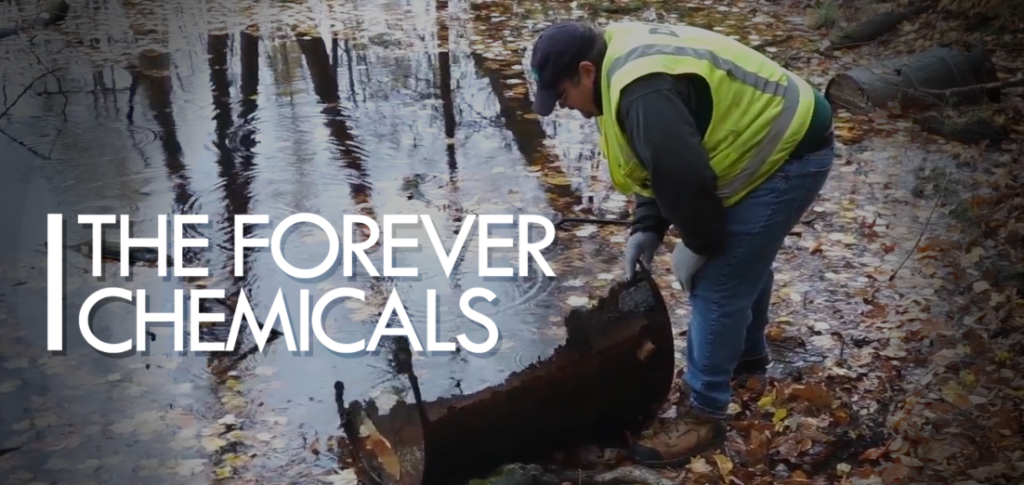
Per- and polyfluoroalkyl substances (PFAS) have been detected in water sources across all provinces and territories. The contamination is particularly concentrated around:
- Military bases where AFFF (aqueous film-forming foam) was used for firefighting training
- Airports with historical foam use
- Industrial facilities manufacturing or using PFAS products
- Landfills receiving PFAS-containing products
The Chemistry of "Forever"
PFAS persist because of the carbon-fluorine bond — one of the strongest bonds in organic chemistry. Conventional water treatment cannot break these bonds. Heat, UV light, and most chemical treatments are ineffective.
There are over 12,000 PFAS compounds identified to date. The most studied are:
- PFOS (perfluorooctane sulfonate): Used in Scotchgard, firefighting foam
- PFOA (perfluorooctanoic acid): Used in non-stick cookware manufacturing
Health Canada's Response
In 2021, Health Canada set a MAC of 200 ng/L for the sum of PFOS + PFOA. This has since been under review as evidence of harm at lower concentrations has emerged. The U.S. EPA set much lower limits in 2024.
Documented Canadian Hotspots
- Borden, Ontario (CFB Borden): Extensive groundwater contamination from AFFF use
- Gagetown, New Brunswick: PFAS in nearby water bodies
- Comox, British Columbia: Community wells affected near the air base
- Multiple Quebec industrial zones: PFAS in the St. Lawrence tributaries
What Removes PFAS?
| Technology | Effectiveness | |---|---| | Granular Activated Carbon (GAC) | Good (80–90%, varies by compound) | | Reverse Osmosis | Excellent (90–95%) | | Anion Exchange Resins | Excellent (>95%) | | Nanofiltration | Good | | Conventional treatment | Poor (<20%) |
The Regulatory Outlook
Canada is reviewing and tightening PFAS guidelines as science evolves. Environmental groups are advocating for a class-based approach — regulating all PFAS as a group rather than compound by compound.
Educational Content Notice
This article is provided for general educational purposes only. The Canadian Institute for Water Quality Education does not endorse specific commercial products or services. Always consult a certified water professional for advice specific to your situation.